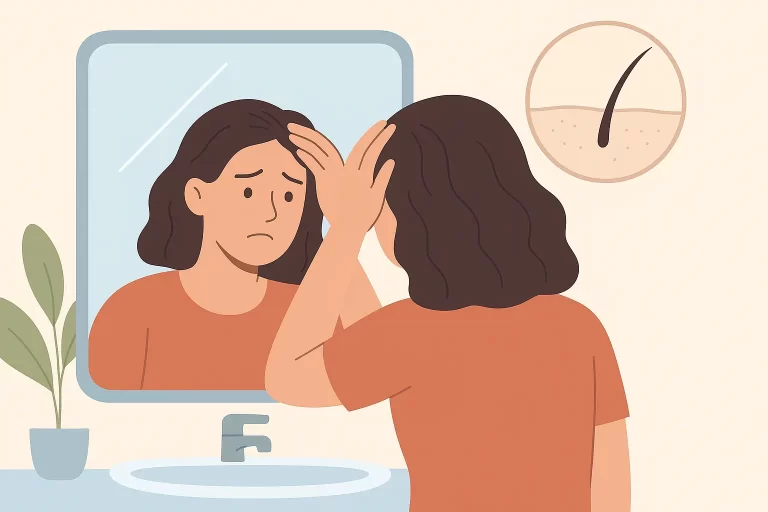
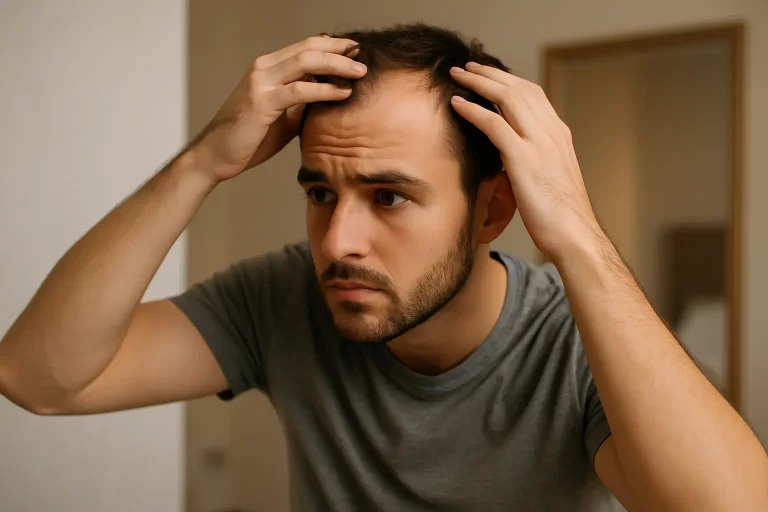
Psychological effects of hair loss can be intense. Hair is more than just strands. It’s part of how we see ourselves. Losing it can feel like losing a piece of identity.
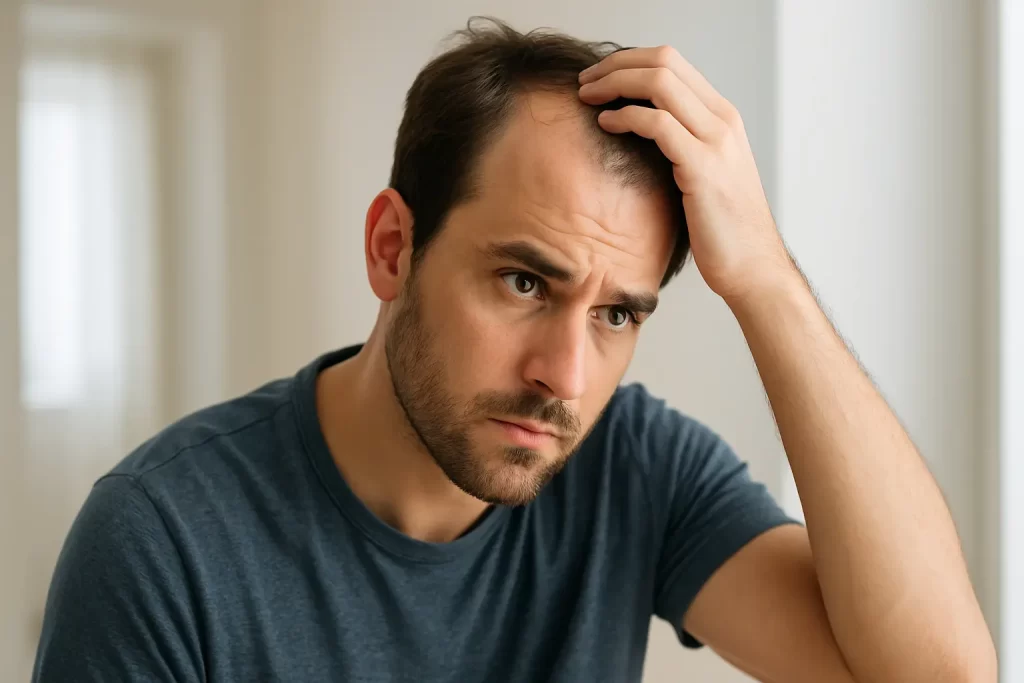
The change is often hard to hide. You might notice people looking longer than usual. Or you may imagine it, but the feeling is real. Even small changes can affect confidence.
Research in PubMed shows that hair loss can cause stress. It can also lead to anxiety. Many people feel less confident too. These emotions can build over time. The impact isn’t just on how you look. It’s on how you feel about yourself every day.
Table of Contents
Understanding the Emotional Impact of Hair Loss
Hair is a big part of how we see ourselves. It shapes our style and our identity.
When hair starts to thin or fall out, it can feel like losing part of who you are. The change can be sudden or slow, but the feelings are similar.
Many people feel a sense of loss. Some feel embarrassed or avoid social events. Even a small change in appearance can cause stress. Over time, these feelings can build and affect everyday life.
Hair Loss and Self-Esteem, More Than Just Looks
Hair loss can lower self-esteem. It’s not just about looks, it’s about how you feel inside.
In many cultures, thick hair is linked to youth, health, and beauty. Society often praises these traits. Losing hair can make people feel like they are losing value in the eyes of others.
This pressure can be subtle or direct. Sometimes it comes from ads and media. Sometimes from comments by friends or family. Either way, it can chip away at confidence over time.
Mental Health and Hair Loss
Hair loss can affect mental health in many ways. Some people feel anxious about their changing look. Others may face sadness or even depression.
It can also lead to social withdrawal. People might avoid gatherings or photos because they feel self-conscious.
Men and women often experience it differently. For men, baldness is sometimes seen as a normal part of aging. For women, it can carry more stigma. This makes the emotional impact even stronger.
Why the Psychological Effects of Hair Loss Are So Strong
Hair loss can feel like more than a physical change. It touches how we see ourselves and how others see us. This mix of self-image and social pressure makes the impact stronger. Many people don’t expect it to feel this way.
The Role of Social Perception
We live in a world that values appearance. Hair is often linked to beauty, youth, and health. When hair loss happens, people may feel judged, even if others say nothing. This silent pressure can be powerful.
The Connection Between Appearance and Self-Identity
Hair is more than strands. It can be part of how we see ourselves. A sudden change in hair can feel like losing a piece of identity. This shift can shake confidence and self-worth.
The Ripple Effect on Daily Life
When self-image drops, it affects more than mood. People may avoid social events, skip photos, or feel nervous at work. Over time, this can hurt relationships and career growth.
Hair Loss Confidence Issues: What the Science Says
The PubMed study) found that hair loss affects more than appearance. It can lower confidence and self-worth.
Researchers noted that many people feel less attractive after losing hair. Some avoid social events or try to hide their scalp. This leads to isolation and stress.
The study also showed that even mild hair loss can have a strong emotional effect. This is because hair is often linked to youth and health. When it changes, people may feel older or less vibrant.
Conclusion: Your Confidence Is More Than Your Hair
Hair loss confidence issues are real, but they don’t define who you are. Your worth is built on far more than your hair. Many people face this challenge and still live full, confident lives.
If you’re ready to explore options, try non-surgical hair solutions. They can help you look good and feel confident again. Book a free consultation today. Take the first step to bring back your hair and your self-belief.